
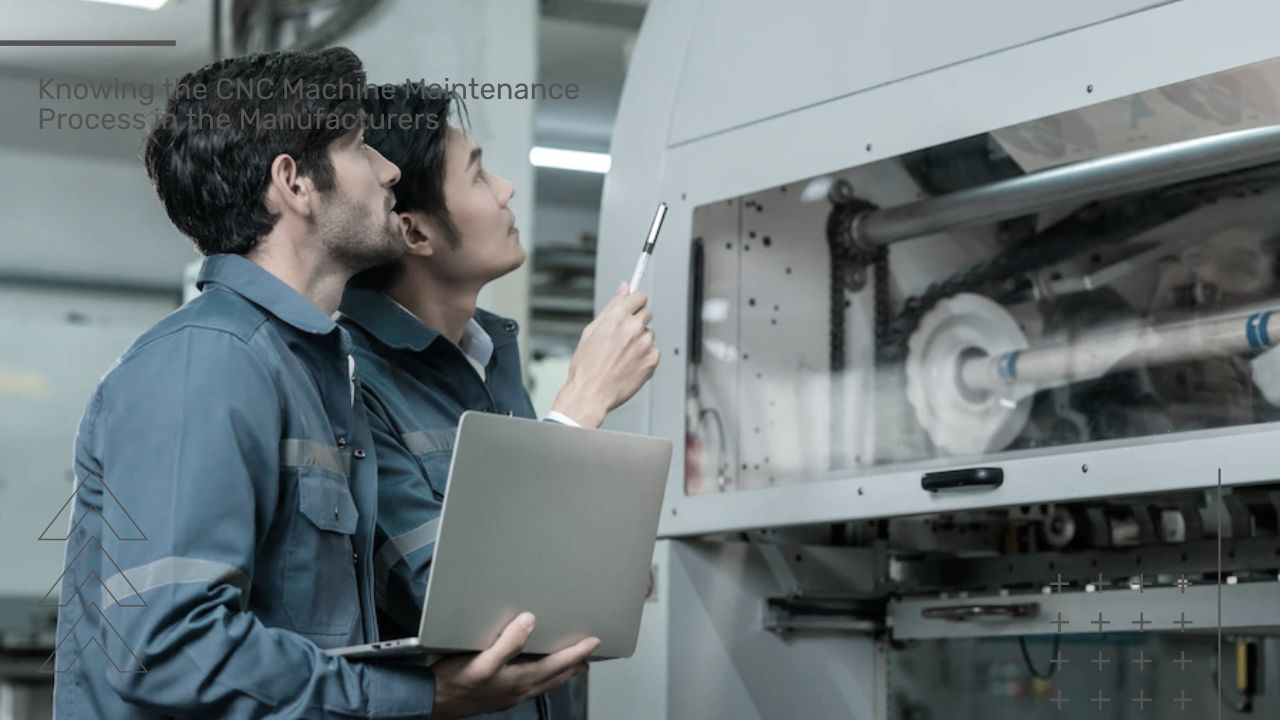
CNC machines are at the heart of modern manufacturing—capable of delivering unparalleled precision, speed, and repeatability. However, even the most advanced equipment requires routine care to sustain optimal performance and avoid costly downtime. For engineers, plant managers, and CNC operators, consistent upkeep isn’t just about extending machine life—it’s about ensuring productivity, part accuracy, and long-term cost control. By following proven CNC machine maintenance tips, facilities can reduce wear, prevent failures, and keep operations running smoothly. This guide covers essential practices to help you build a proactive maintenance strategy that protects your investment and safeguards your output quality.
Understanding the Importance of Proactive CNC Maintenance
Proper maintenance ensures that CNC machines operate within designed tolerances and with maximum efficiency. Unplanned breakdowns lead to missed deadlines, inconsistent part quality, and higher repair costs. More critically, ignoring wear or contamination can result in long-term damage to expensive components such as spindles, linear guides, and ball screws. Establishing a robust, preventive maintenance plan should be a top priority for any facility aiming for uninterrupted performance and high part throughput.
Daily, Weekly, and Monthly Routines
Preventive maintenance should be structured into consistent intervals to catch issues before they escalate. Daily tasks typically include cleaning external surfaces, checking lubrication levels, inspecting tool holders, and clearing chips from enclosures and tool paths. Operators should also verify that coolant systems are functioning correctly and that filters are clean and unclogged.
Weekly tasks go a step further by including more detailed inspections—such as checking backlash, tightening loose fasteners, calibrating sensors, and verifying the alignment of the spindle and turret. This is also the time to review alarms or system messages that may indicate deeper issues.
Monthly or quarterly maintenance involves deeper diagnostics, such as checking the condition of belts, inspecting the state of linear rails and ball screws, examining electrical connections, and replacing worn-out wipers or seals. These routines help identify long-term wear patterns and prevent system failures that could halt production for days or even weeks.
Operator Involvement and Training
Operators are on the front lines of machine use and should play an active role in daily upkeep. Training operators to recognize early warning signs—such as unusual noise, vibration, surface finish changes, or coolant contamination—is critical. Empowering them to report and document potential issues in real time bridges the gap between routine operation and scheduled service. This human element not only enhances machine reliability but also creates a culture of accountability and care within the production floor.
Strategic Maintenance Planning for High-Performance Operations
A well-organized CNC maintenance program goes beyond basic tasks. It includes data-driven monitoring, inventory management for spare parts, scheduled service interventions, and integration with production planning. The objective is to maintain optimal machine condition without disrupting production schedules or exceeding maintenance budgets.
Using Maintenance Logs and Digital Monitoring
Keeping detailed maintenance logs allows manufacturers to track trends over time, monitor the frequency of part replacements, and evaluate machine performance. Modern CNC systems often support digital integration, enabling alerts, performance tracking, and remote diagnostics through built-in sensors and software.
Machine logs should include data on lubrication cycles, part replacement dates, service notes, error codes, and technician comments. Over time, this information builds a knowledge base that helps improve scheduling, reduce downtime, and make smarter decisions about upgrades or replacements.
Software-based systems can further automate this process by issuing alerts when service thresholds are reached, helping maintenance teams respond before issues escalate. This proactive approach minimizes unexpected shutdowns and supports consistent, predictable output.
Managing Spare Parts and Consumables
Having the right spare parts in inventory is a small but critical factor in keeping machines operational. Waiting for a replacement spindle motor or coolant pump can cause long, unnecessary delays. By analyzing failure patterns and usage history, procurement teams can identify which parts to keep on hand and which ones can be ordered on demand.
It’s also important to regularly check and maintain consumables like filters, lubrication oil, way covers, coolant nozzles, and wipers. These components are inexpensive but vital to machine health. Setting a replacement schedule for these parts—based on actual runtime or cycle count—ensures machines continue to operate under clean and well-supported conditions.
Choosing Service Providers and Building Internal Protocols
While in-house teams can handle most routine tasks, partnering with experienced service providers for complex diagnostics or annual overhauls adds value. A qualified CNC technician can identify signs of wear that may not be visible to operators, test machine alignment, and perform precision calibrations that restore optimal performance.
Building a Maintenance-First Culture
Maintenance should not be reactive or considered a disruption. A strong maintenance-first culture starts with leadership buy-in and is reinforced by clear policies, documentation, and cross-functional cooperation. Integrating maintenance schedules into production planning ensures that service tasks don’t conflict with deadlines and allows time for proactive care.
Work instructions and checklists should be standardized across shifts, and KPIs such as mean time between failures (MTBF) and maintenance compliance rates can be used to track performance. Having dedicated personnel or a rotating maintenance schedule ensures accountability without overburdening machine operators.
The Role of Expert Support
Even the most robust internal maintenance systems benefit from external expertise. Working with a dedicated CNC support partner helps facilities stay current with machine upgrades, firmware updates, and advanced diagnostics. Additionally, third-party specialists may offer insights into optimizing feed rates, toolpath strategies, or even coolant systems, extending beyond maintenance into process improvement.
At MYT Machining, we not only specialize in precision parts but also support our clients with actionable resources and expert insights. Our shared knowledge helps engineers and manufacturers implement smart strategies that extend machine life, reduce cost, and maximize equipment ROI. Following best practices isn’t just good maintenance—it’s good business.
Conclusion
CNC machines are vital assets, and keeping them in peak condition requires more than just occasional attention. With the right maintenance routines, planning, and partnerships in place, manufacturers can dramatically reduce downtime and protect their productivity. Following the right CNC machine maintenance tips will ensure consistent output, longer equipment life, and fewer costly disruptions.
No responses yet